

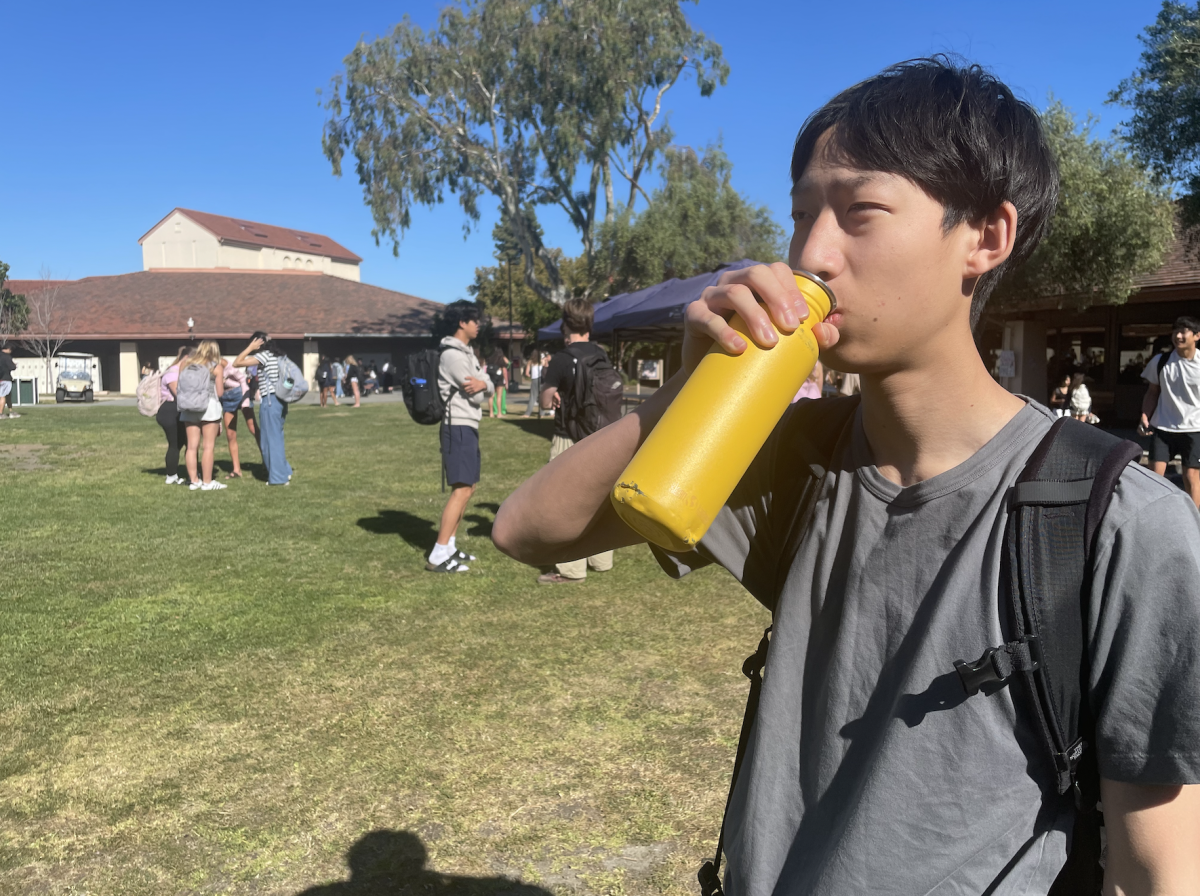
The heat wave hitting the Bay Area is continuing into this week, bringing temperatures well above typical March averages, affecting Paly students, especially athletes who participate in outdoor sports.
Most of Paly’s classes are indoors, meaning during the school day students are not directly feeling all of the effects of the heat wave. It can, however, impact student athletes who spend hours practicing outside in the sun after school.
Paly sophomore Michael Wu, a member of the baseball team, said that the heat wave made the last week of practice more difficult.
“During the week we practiced with shorts and tried to take it really light,” Wu said. “Practicing in the extreme heat was an unfamiliar experience and it was exhausting.”
As the local temperatures hovered around 85 degrees Fahrenheit in Palo Alto last week, the National Weather Service issued the region’s first ever March heat-advisory, according to Greg Porter, senior newsroom meteorologist from the San Francisco Chronicle. This week temperatures will drop by a little bit into the high 70s, but are still above the average for this time of year.
This heat wave is not expected to be a short-term issue. According to Porter, it will eventually evolve into a “mega heat dome” this week. A heat dome occurs when a high-pressure system lingers over a large region, trapping heat beneath it. This trapped air compresses, heats up and stays in place for days or weeks.
According to World Weather Attribution, heat domes are very rare during March. Several cities across the Bay Area are expected to break records for the highest temperatures ever recorded during the month of March. Officials at the City of Palo Alto recommend staying hydrated, avoiding strenuous outdoor activity and wearing light clothing during the heat wave.
Paly junior and student climate activist Aiden Miao said he is already taking these precautions.
“Personally, I’m just shedding layers, so I’m wearing more shorts and short sleeve shirts,” Miao said. “I’m also making sure to have a bunch of water with me.”
Over the past century, California’s average temperatures have steadily increased by about 2.5 degrees Fahrenheit, according to the California’s Office of Environmental Health Hazard Assessments, making extreme weather conditions in March more likely in the coming years. According to the OEHHA, what currently feels like an unusual spike in temperatures could eventually become a regular part of the Bay Area’s seasonal weather patterns.
Miao reflects on how this shift in temperature can be attributed to climate change.
“Global warming causes the extremes to become more extreme,” Miao said. “These hot days will become even hotter as the years go on.”