


“After all this, what is my purpose? And who am I now?” It’s a question Noah Kahan asks himself that perfectly encapsulates the American indie singer-songwriter’s musical and mental journey to his fourth studio album, “The Great Divide.”
Kahan, who rose to fame with his single “Stick Season” in 2022, encountered both massive acclaim and unwelcome mental health struggles with his success. Over the past several years, Kahan has dealt with anxiety, depression and body dysmorphia, along with the lingering fear of losing what defines him — his music.
And in true Noah Kahan fashion, the Vermont native took these feelings and turned them into a 21-song-long collection that explores every part of his psyche: from the isolation of fame, to the awkwardness of returning home, to revisiting old relationships and parting ways with a previous version of himself.
For high school students, especially for graduating seniors who are turning the page on to a new chapter of their lives, Kahan is a figure who has grown up alongside them both artistically and personally.
Palo Alto High School senior and longtime fan Arabella Guinle has held a deep emotional connection to the artist since the fifth grade, when she was introduced to Kahan’s music by her dad.
“Personally, I don’t relate to a lot of the issues he’s been through, like his depression and anxiety,” Guinle said. “But it means a lot to me because his lyrics are very emotional and his feelings come across very clearly. It’s very interesting to see from his perspective how he dealt with those issues growing up and who he became because of them.”
Guinle has developed a similar attachment to Kahan’s latest album.
“I feel like this is a new version of his music,” Guinle said. “He’s finally happy and it feels like the fully grown, adult version of himself. All of his albums before were versions of him still growing up. But this one feels like him, completely.”
Paly junior Om Rajan also appreciates Kahan’s impactful musical storytelling.
“His style is really lyric-driven,” Rajan said. “It’s pretty simple musically, but it’s very emotional. He leans into certain motifs throughout his songs, and especially in his latest album, he focuses on nostalgia and regret, which a lot of people have experienced and can relate to.”
Kahan is unique as an artist because of his reliance on his lyricism, speaking about universal themes that wide audiences, and especially graduating seniors, can identify with on a personal level.
“The Great Divide” was released in tandem with “Noah Kahan: Out of Body,” a Netflix documentary that showcases Kahan’s entire creative process behind the album. Kahan is scheduled to go on tour in North America across 23 major cities, including San Francisco, from early June to late August. After reviewing the album front to back, here are our thoughts about its most notable tracks.
End of August
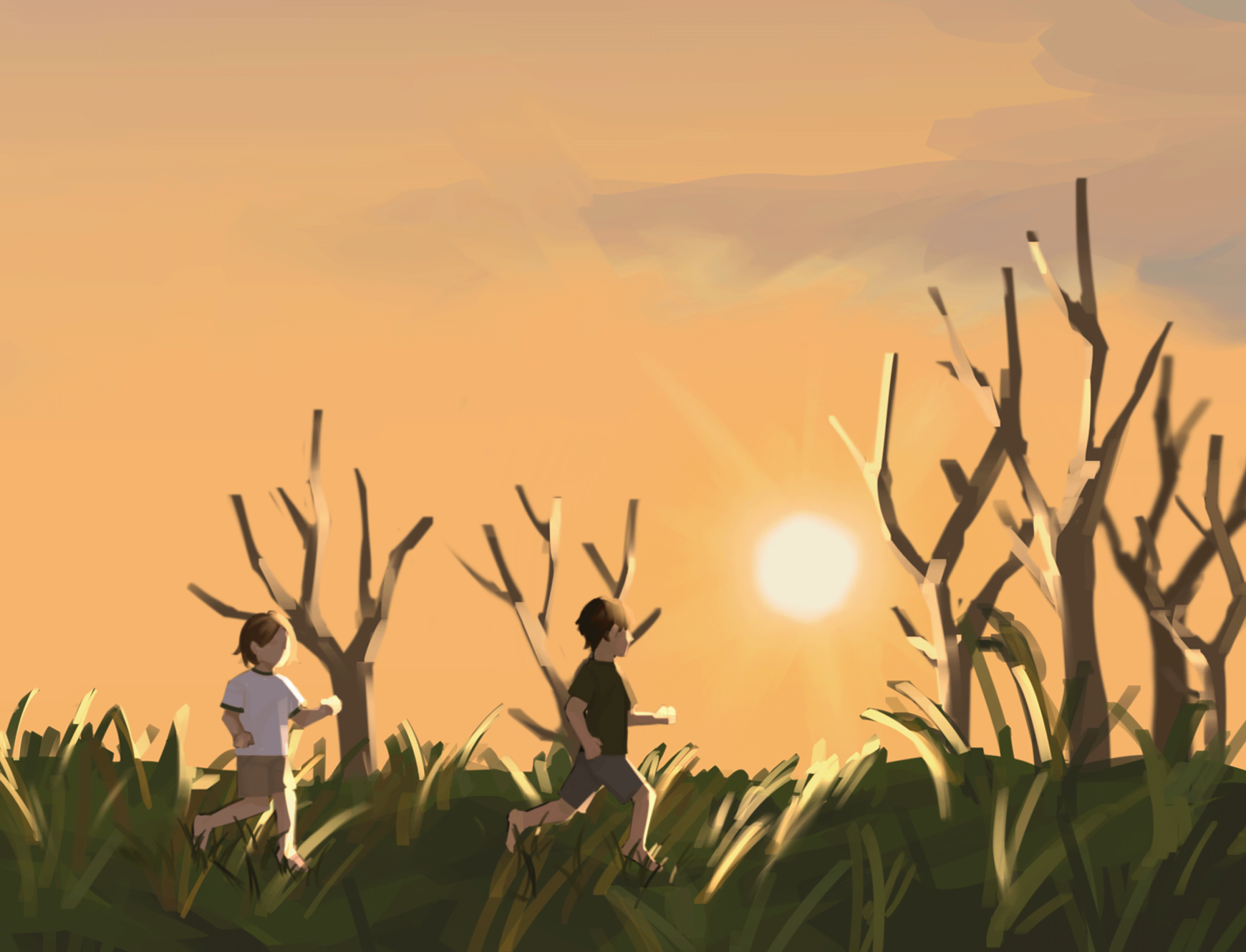
The album’s opening track, “End of August,” begins with a lengthy instrumental reminiscent of a warm, nostalgic summer evening. Throughout the song, Kahan refers to August as the end of vibrant days and a transition of seasons that reflects his shift in mental health come fall. This is a feeling that Guinle, a graduating senior, said reminds her of closing out a pivotal chapter of her life and preparing to begin a new one that is simultaneously exciting and daunting. Kahan sings, “Woah, everythin’ you see out here will die / Oh, it’s a matter of time,” expressing the realization that everything must come to an end, whether it is cities, relationships or previous versions of the self.
American Cars
In “American Cars,” Kahan expresses guilt about leaving home to pursue his musical career. Kahan sings about himself from the perspective of close friends and family who plead with him to return home from his tours, mirroring the need for high school seniors to leave their past lives behind and cope with change. While the song takes on a more indie-rock-infused sound, Kahan uses a twangy guitar and banjo to keep it grounded in the folk sphere and his home environment of Vermont. Throughout, Kahan reiterates his family’s need for him to fix their problems and “patch it up,” while using cars as a motif to depict the feeling of being stuck between the past and the present.
Staying Still
One of the bonus songs on the album’s deluxe version, “Staying Still” tells a story that will hit close to home for the families of graduating seniors. Kahan sings, “It wouldn’t hurt like watching you grow smaller on the backroad,” expressing the pain of saying goodbye to a loved one. He continues, “And I never ask for much / But I hope that Logan crumbles and gets hit by a tornado,” referring to Boston Logan International Airport and hoping that such an unlikely occurrence would prevent his loved one from leaving. Lending itself to a dominant drum presence and high-energy electric guitars, “Staying Still” blends Kahan’s intimate vocals with an emotional, nostalgic tune to illustrate the innate human desire to freeze fond memories in time and make life stay still.
The Great Divide
On the surface, the album’s title track tells a story of two people growing apart. But upon further analysis, “The Great Divide” represents Kahan’s realization of his failure to fully understand himself and the people around him. The lyrics “My deep misunderstanding of your life / And how bad it must have been for you back then” echo a struggle of senior year: witnessing others change firsthand and no longer being able to keep up with the lives of those you grew up with. The line “You inched yourself across the great divide,” disguised as a relationship analysis, reflects Kahan’s own shortsightedness as he loses touch with both himself and his friends. Overall, the song’s steadier drum pattern and acoustic guitar melody, with warm strums, contribute to a structure that builds slowly, mirroring the gradual, quiet process of growing up that is difficult to pinpoint in the moment. Kahan’s vocals sound drier and more conversational, making “The Great Divide” feel like more of a personal confession than a story meant for the whole world.
Orbiter
“Orbiter,” a track on “The Great Divide: The Last of the Bugs” deluxe version, stands out among the second half of songs, gracefully setting up the album’s finale. A fingerpicked acoustic guitar paired with Kahan’s soft, close vocals emanates an intimate and intricate vibe as he speaks of feeling displaced during a time of transition, orbiting memories and people but never being able to hold on to them fully. The lines “This ain’t Watertown / I’m on alien ground” parallel the universal experience for graduating seniors of navigating uncertainty and isolation as they leave behind the places that shaped them. Kahan showcases his vocals with drawn-out, wavering notes as he repeats the words “I circle you” in the chorus. Together with the song’s celestial metaphors, these elements create a floating ambiance that encapsulates the longing for connection during a time of significant change.
Closing Thoughts
Compared to his earlier folk-adjacent work, Noah Kahan’s “The Great Divide” leans further into an indie-rock sound, using heavy electric guitars and driving percussion to elevate its emotional storytelling. In his latest project, Kahan has finally come into his own, reflecting on his guilt over leaving home and the growing disconnect from his past life. More than anything, the album captures the uncertainty of growing up and the emotional transition that comes with it. That experience extends beyond Kahan’s life, resonating deeply with the Class of 2026 as they prepare to step into their own new chapter at the end of August.